





Introduction
Artificial Intelligence (AI) is no longer a futuristic concept found only in science fiction movies. Today, AI has become part of everyday life, transforming the way people work, communicate, learn, and even think. From smart assistants on smartphones to advanced machine learning systems used by global companies, AI is now shaping the future faster than ever before.
Table Of Content
- Introduction
- What Is Artificial Intelligence?
- Machine Learning
- Deep Learning
- Natural Language Processing (NLP)
- AI in Everyday Life
- Smart Assistants
- Recommendation Systems
- Social Media Algorithms
- AI in Business and Industry
- Automation
- Customer Support
- Data Analysis
- Advantages of AI
- Increased Productivity
- Medical Advancements
- Educational Innovation
- Challenges and Concerns
- Job Displacement
- Privacy Issues
- Ethical Problems
- Human and AI Collaboration
- Smarter Work Environments
- Advanced Robotics
- Personalized Technology
- The Human Advantage
“Artificial Intelligence is not replacing humans — it is redefining what humans can achieve.”
As technology continues to evolve, AI stands at the center of innovation, creating opportunities while also raising important questions about ethics, privacy, and the future of human employment.
The Rise of Artificial Intelligence
What Is Artificial Intelligence?
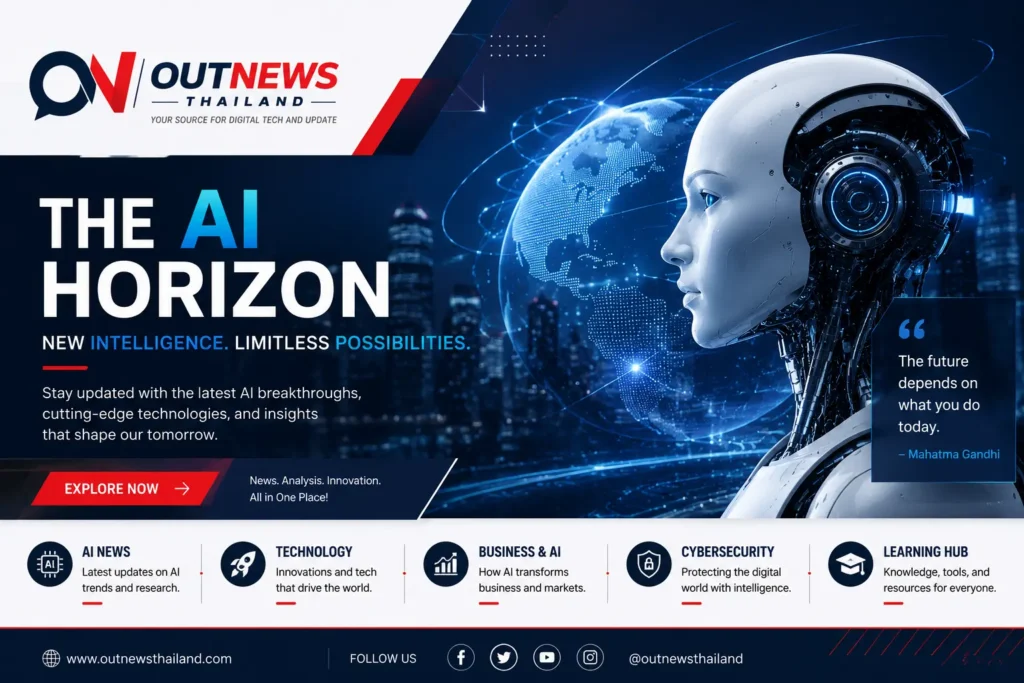
Artificial Intelligence refers to computer systems designed to simulate human intelligence. These systems can perform tasks such as:
- Learning from data
- Solving problems
- Understanding language
- Recognizing images
- Making decisions
AI works through technologies like:
Machine Learning
Machine Learning allows systems to improve automatically from experience without being explicitly programmed.
Deep Learning
Deep Learning uses neural networks that imitate the human brain to process complex information.
Natural Language Processing (NLP)
NLP helps machines understand and communicate using human language, such as chatbots and virtual assistants.
How AI Is Used Today
AI is already integrated into many industries and daily activities.
AI in Everyday Life
People interact with AI more often than they realize. Examples include:
Smart Assistants
Virtual assistants like Siri, Alexa, and Google Assistant use AI to answer questions and perform tasks.
Recommendation Systems
Streaming platforms and online stores use AI to recommend movies, music, and products based on user behavior.
Social Media Algorithms
AI determines what content appears on feeds, helping platforms personalize user experiences.
AI in Business and Industry
Companies use AI to improve efficiency and reduce costs.
Automation
AI-powered automation helps businesses handle repetitive tasks quickly and accurately.
Customer Support
Chatbots provide 24/7 customer service without human intervention.
Data Analysis
AI can analyze massive amounts of data within seconds, helping companies make smarter decisions.
“Data is the fuel, but Artificial Intelligence is the engine driving the digital revolution.”
The Impact of AI on Society
Artificial Intelligence brings both positive and negative impacts to society.
Advantages of AI
Increased Productivity
AI helps workers complete tasks faster and more efficiently.
Medical Advancements
Hospitals use AI to detect diseases earlier and improve patient care.
Educational Innovation
AI-powered learning platforms personalize education for students worldwide.
Challenges and Concerns
Despite its benefits, AI also creates serious concerns.
Job Displacement
Automation may replace certain types of jobs, especially repetitive manual work.
Privacy Issues
AI systems collect large amounts of personal data, raising concerns about digital privacy.
Ethical Problems
There are debates about bias in AI systems and the risks of relying too heavily on technology.
The Future of AI
The future of Artificial Intelligence is both exciting and uncertain.
Human and AI Collaboration
Experts believe the future will focus more on collaboration between humans and AI rather than replacement.
Smarter Work Environments
AI tools will assist workers in creative and technical industries.
Advanced Robotics
Robots powered by AI may become common in healthcare, manufacturing, and transportation.
Personalized Technology
Future AI systems may understand human emotions and behaviors more deeply.
“The future belongs to those who learn how to work alongside intelligent machines.”
Can AI Replace Humans?
This question continues to spark global debate.
The Human Advantage
Although AI is powerful, humans still possess qualities machines cannot fully replicate:
- Creativity
- Emotional intelligence
- Moral judgment
- Human connection
AI can process information rapidly, but human intuition and empathy remain essential in many areas of life.
Conclusion
Artificial Intelligence is transforming the modern world at an incredible pace. It is changing industries, improving technology, and creating new possibilities for humanity. However, with great innovation comes great responsibility.
The future of AI will depend on how society chooses to develop and use this technology. If managed wisely, AI has the potential to improve lives, solve global challenges, and unlock a new era of human progress.
“Artificial Intelligence is not the future anymore — it is the present shaping tomorrow.”




No Comment! Be the first one.